What can a reproduction object prove about Arkansas history—and what can it never tell you by itself?
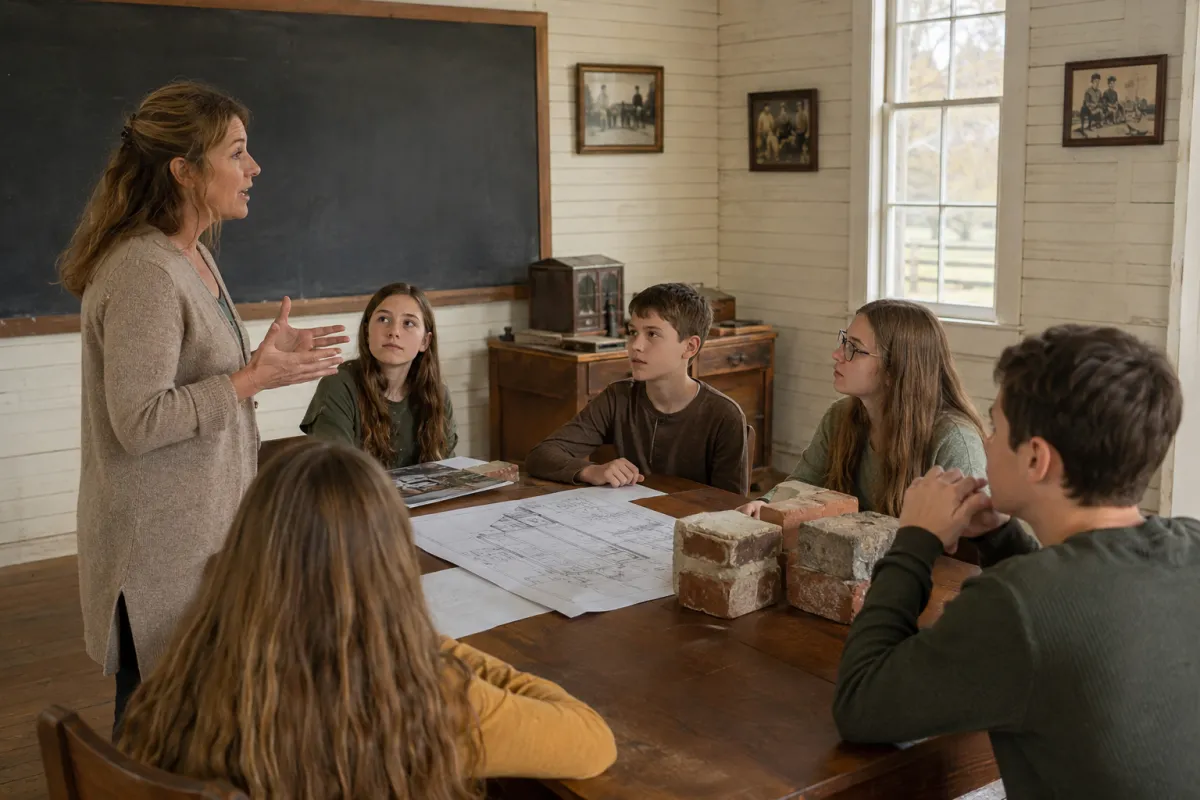
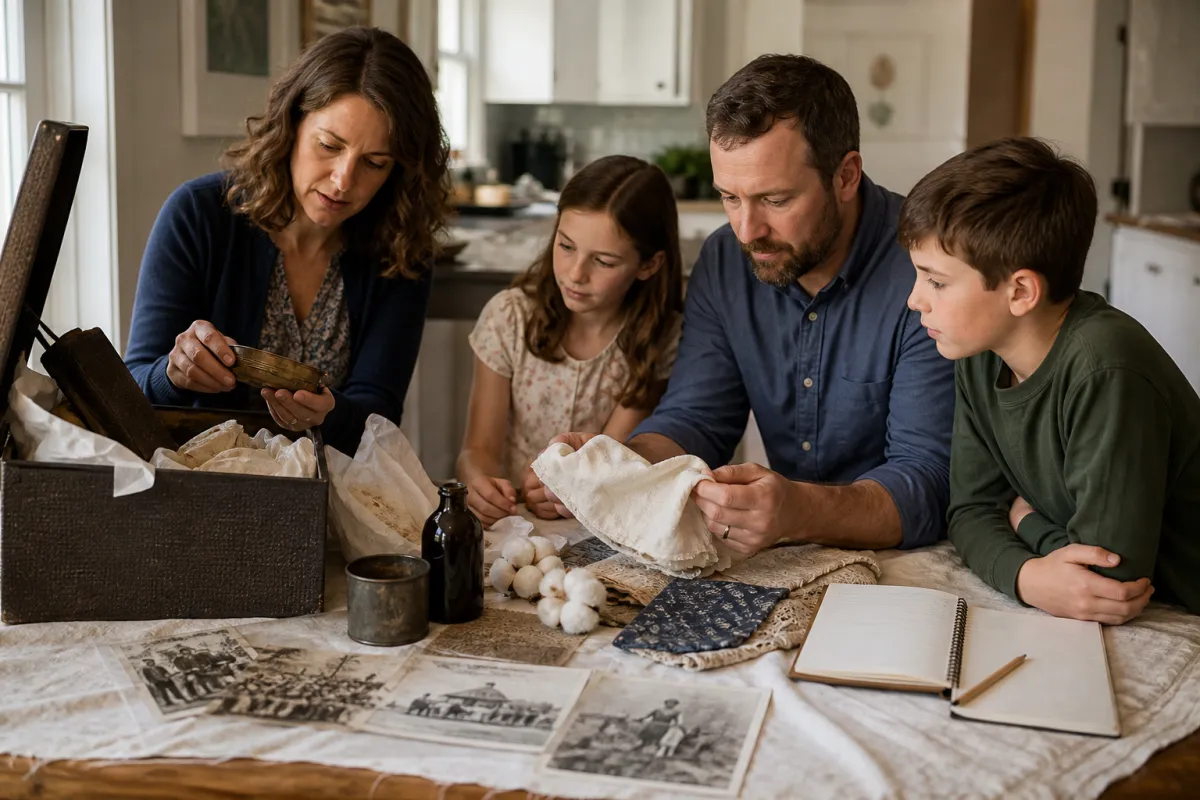
A box of objects creates strong learning only when children investigate the objects instead of treating them as decorations.
Reproduction objects invite children to touch history, but touching is only the beginning. The real learning happens when a child asks what an object can prove and what it cannot.
Start with the useful answer
Do this first: Ask Historic Arkansas Museum what loan boxes are currently available and choose one that answers a question already in your history plan. Build the week around close observation, evidence cards, and a final explanation.
The trustworthy starting point
Arkansas Heritage gathers educational resources from state agencies and museums across the state’s natural, cultural, artistic, and historical identity.
The Arkansas Historic Preservation Program offers teaching tools, digital resources, and outreach presentations for grades 3 through 12, including homeschool groups.
Historic Arkansas Museum describes free loan boxes and its Chapters in Arkansas History materials. Availability, pickup, shipping, scheduling, and age fit should be confirmed directly with the program.
Check before you act: Ask the responsible Arkansas Heritage program about current availability, grade fit, reservations, transport, handling, and permissions. A catalog description tells you what may be offered; staff can tell you what is actually possible now.
A plan you can actually finish
Confirm borrowing dates, costs, transport, handling, and replacement rules.
Have children describe material, construction, wear, and possible use before reading labels.
Return every item in the required order and keep photographs only when permission allows.
Finish with three evidence cards and a short claim that uses the loan-box objects without overreaching.
Keep the investigation open
Who created the evidence and for whom?
What does it show directly?
Whose experience or context is missing?
If the child pauses, wait. Curiosity needs a little empty space before it turns into a useful question.
Adjust the challenge—not the thinking
A younger learner can draw the model, sort the evidence, or narrate each change while an adult records the words.
An older learner can define variables, show units or source trails, and identify where the model stops matching the real system.
If the page looks crowded, remove material rather than removing the central question.
Where families can get tripped up
Trying to cover the entire topic in one sitting.
Mixing documented facts with invented numbers or assumptions.
Finishing the worksheet without asking the learner to explain the evidence.
The evidence of learning
The real payoff is growth in object analysis, care, and evidence-based explanation. A strong finish is not a perfect page; it is a learner who can show how an idea changed when better evidence appeared.
A useful finish includes the method, one piece of evidence, one revision, and one unanswered question.
Your ten-minute start
Set out one available Arkansas loan box chosen to answer a question already in your history plan. Write the learning question at the top of the page, complete the smallest useful version of the activity, and stop once the child can explain what the evidence supports and what remains uncertain.
You are finished when the child can defend one conclusion and name one limit. More pages will not necessarily produce more learning.
Sources and further reading
 Northridge_Learning