What changes when a guest educator receives one thoughtful question instead of a vague request to ‘teach history’?
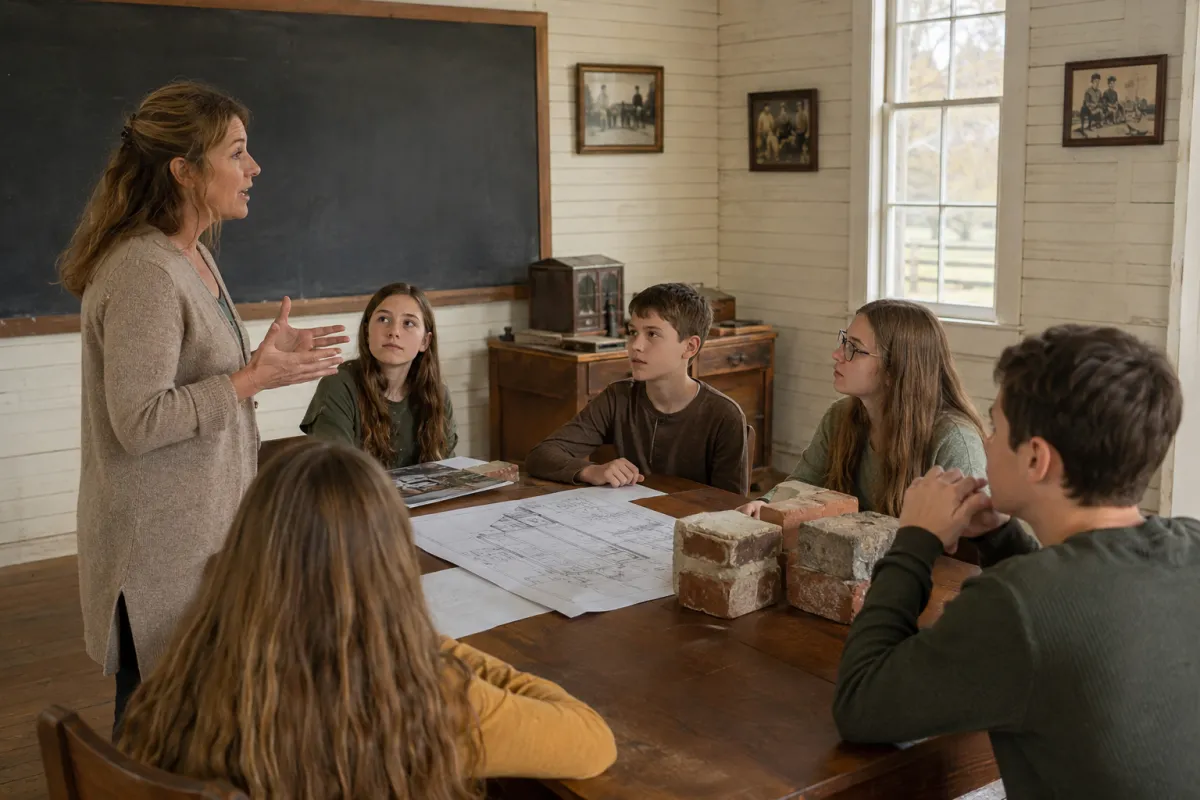
An outreach presentation works best when the organizer gives the educator a real question, an accurate age range, and a prepared audience.
A guest educator should not have to guess what your group needs. A clear question and an honest description of ages and attention spans can turn a presentation into a real learning experience.
Here is the orientation
Do this first: Use the official outreach contact to ask about a focused program on a local building, cemetery, neighborhood, or preservation method. Share group size, ages, location, dates, access needs, and the work children will complete afterward.
What we can say with confidence
Arkansas Heritage gathers educational resources from state agencies and museums across the state’s natural, cultural, artistic, and historical identity.
The Arkansas Historic Preservation Program offers teaching tools, digital resources, and outreach presentations for grades 3 through 12, including homeschool groups.
Historic Arkansas Museum describes free loan boxes and its Chapters in Arkansas History materials. Availability, pickup, shipping, scheduling, and age fit should be confirmed directly with the program.
Check before you act: Ask the responsible Arkansas Heritage program about current availability, grade fit, reservations, transport, handling, and permissions. A catalog description tells you what may be offered; staff can tell you what is actually possible now.
Build the experience around one question
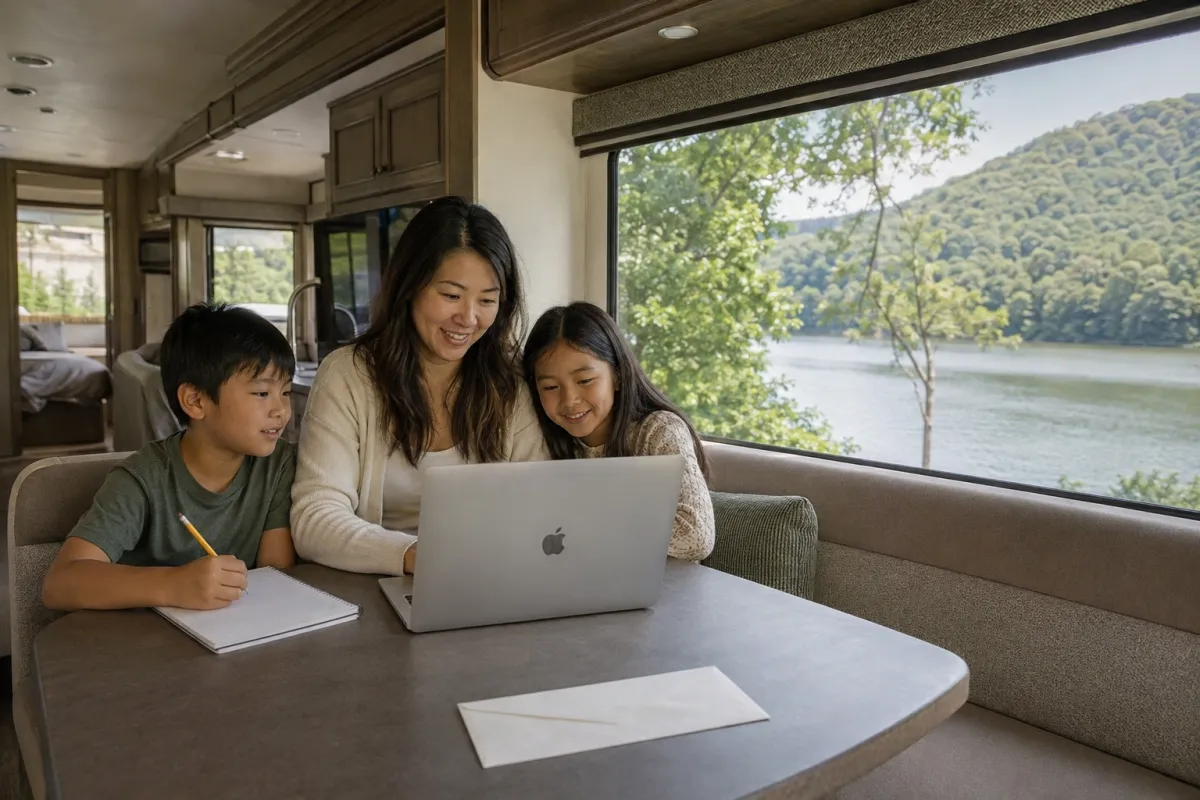
Ask what technology, tables, adult supervision, or travel limits apply.
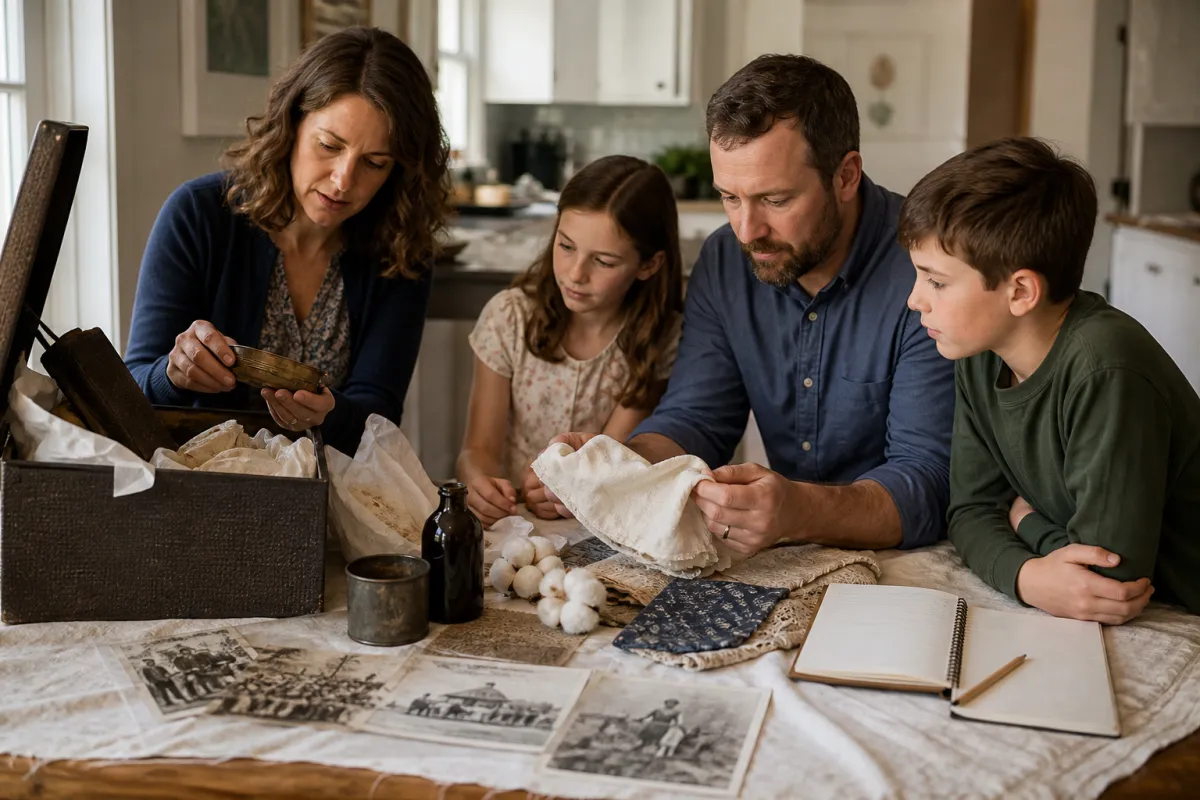
Send one photograph or question to families before the session.
End with a child-created exhibit label or preservation proposal rather than a generic worksheet.
Finish with a group question sheet and a brief follow-up project tied to the presenter’s topic.
Push the thinking one step further
What does the organizer need to know?
How will children prepare to participate?
What follow-up will show that the visit mattered?
Resist explaining the interesting part too soon. Ask what the learner notices, then follow the detail that earns a second look.
For younger and older learners
Let a younger child move the pieces, predict what will happen, and explain the result with a sketch or voice note.
Ask an older learner to control one variable, label assumptions, and revise the explanation when the evidence disagrees.
A shorter task can still demand careful thinking when the learner must point to evidence.
Keep the lesson honest
Trying to cover the entire topic in one sitting.
Mixing documented facts with invented numbers or assumptions.
Finishing the worksheet without asking the learner to explain the evidence.
How you will know it worked
The real payoff is growth in group preparation, local inquiry, and follow-through. A strong finish is not a perfect page; it is a learner who can show how an idea changed when better evidence appeared.
Listen for four things: what the learner did, what the evidence showed, what changed, and what should be checked next.
Begin here this week
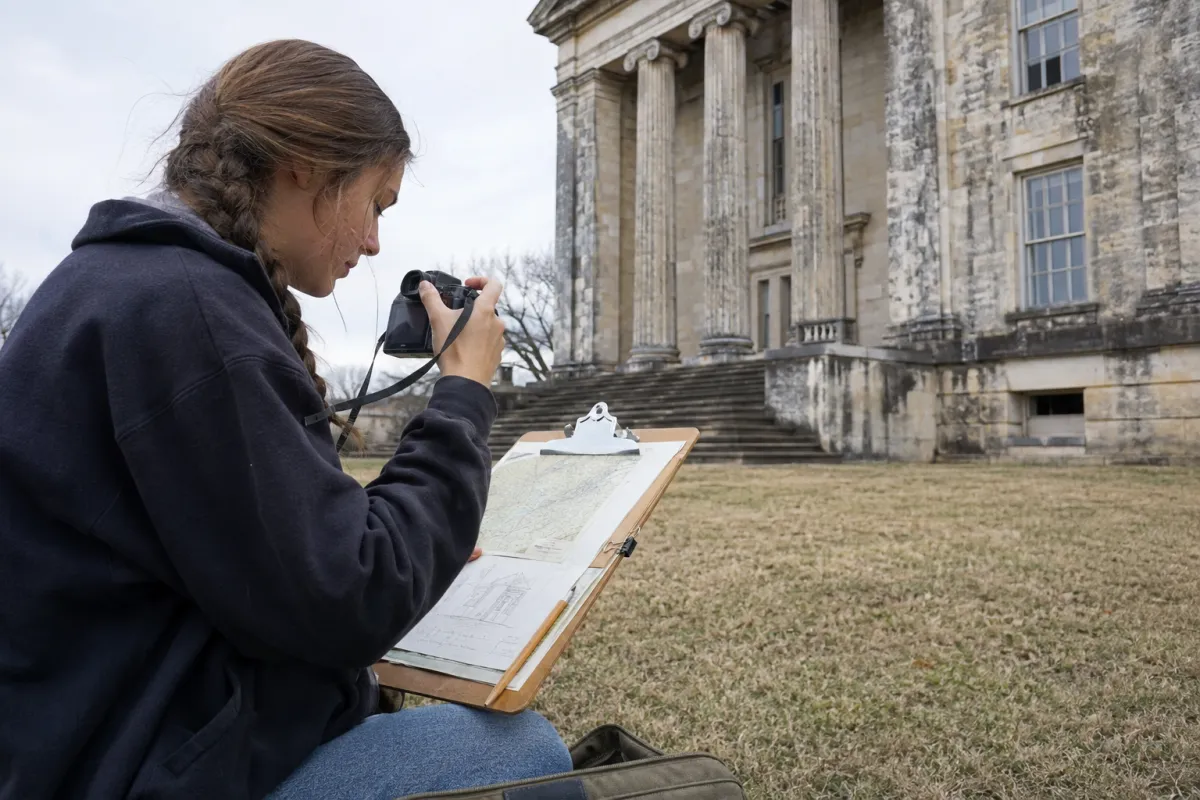
Set out one Arkansas preservation question your group genuinely wants help answering. Write the learning question at the top of the page, complete the smallest useful version of the activity, and stop once the child can explain what the evidence supports and what remains uncertain.
Save the evidence and the next question together. The second item is often the clearest sign that the first lesson worked.
Sources and further reading
 Northridge_Learning